Erectile difficulties
Difficulty getting or maintaining an erection can create shame, self-monitoring, avoidance and fear before the next sexual encounter.

Sexual difficulties are far more common than most people realise. They can affect confidence, intimacy, relationships and emotional wellbeing, often leaving people feeling ashamed or unusually alone.
Sex therapy provides a calm, direct and non-judgemental space to understand what is happening. The work can address anxiety, expectations, communication, relationship patterns and learned responses while recognising when medical assessment is also needed.
Sexuality is influenced by physical health, medication, stress, mood, past experience, relationships, identity, culture and expectations. Difficulties may involve one factor or several interacting at once.
Difficulty getting or maintaining an erection can create shame, self-monitoring, avoidance and fear before the next sexual encounter.
You may take a very long time, feel close without reaching orgasm, or be able to orgasm alone but not during partnered sex.
Ejaculation may happen sooner than you want, creating frustration, embarrassment and anxiety about disappointing a partner.
Orgasm or ejaculation may take a very long time or not happen despite arousal and stimulation.
Desire may reduce, disappear or differ substantially between partners, creating pressure, rejection or conflict.
Penetration may feel painful, frightening or impossible because of an involuntary muscular response, physical factors or both.
Attention moves away from pleasure and towards measuring, comparing and trying to ensure that the body performs correctly.
Difficult communication, resentment, trust, body confidence or fear of vulnerability can all affect sexual connection.
Some people feel aroused and enjoy sex but rarely or never reach orgasm. Others can orgasm through masturbation but struggle with a partner, or require a particular kind of stimulation that is difficult to reproduce during partnered sex.
The difficulty can lead to pressure, embarrassment and repeated monitoring: “Am I close?”, “Why is it taking so long?” or “Is my partner disappointed?” Attention then moves away from sensation and towards evaluation.
Medication, hormonal changes, physical health, trauma, relationship factors, stimulation patterns and anxiety can all contribute. Therapy considers the whole picture rather than assuming there is one universal cause.
Occasional erection difficulties are common. Stress, tiredness, alcohol, medication, physical health and relationship circumstances can all affect sexual response.
After one difficult experience, anxiety may become the main maintaining factor. You may begin checking firmness, trying to hold the erection through effort or imagining how a partner is judging you. This activates the threat response at the moment the body needs safety, attention and arousal.
Therapy can help reduce monitoring, challenge unhelpful assumptions, rebuild confidence and widen the definition of satisfying sex beyond penetration or any single bodily response.
Performance anxiety can turn sex into an assessment. Instead of being immersed in touch, closeness and pleasure, you may observe yourself from the outside and judge how well things are going.
Comparisons with pornography, previous partners or imagined standards can create pressure to stay erect, orgasm, last longer, look confident or ensure that a partner responds in a particular way.
Sexual response generally works best when it is allowed rather than commanded. Therapy helps move attention from achievement towards curiosity, communication and experience.
Therapy is tailored to the particular difficulty, its possible physical and psychological contributors and whether you attend individually or as part of relationship work.
CBT can help identify predictions, self-monitoring and avoidance, then develop more helpful responses.
You can develop clearer ways to discuss desire, stimulation, boundaries, pleasure and difficult emotions.
Therapy can examine beliefs shaped by pornography, gender roles, comparison and narrow ideas of successful sex.
Pressure can be reduced while pleasurable and intimate experiences are reintroduced at a manageable pace.
Resentment, trust, criticism, power, emotional distance and mismatched desire may all need careful attention.
Hypnotherapy may support relaxation, confidence, imagery and a less anxious association with sexual situations.
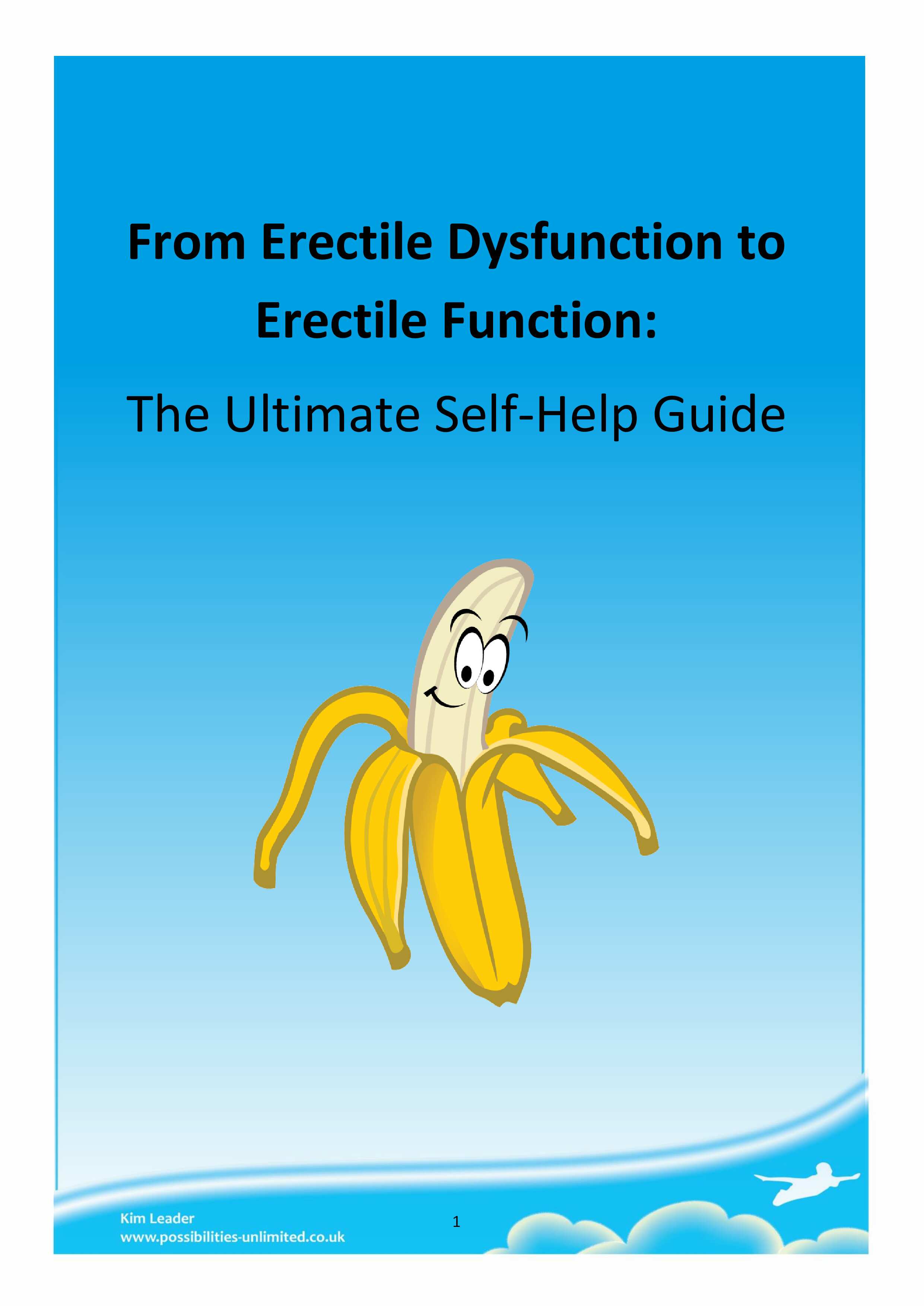
The workbook explores psychological contributors to erection difficulties, performance anxiety, self-monitoring, expectations and practical ways to develop a different relationship with sex.
The existing website currently links this resource to
images/EDfrontpage.jpg. Replace that filename in both
links below with the PDF filename when the full workbook PDF is
uploaded to your hosting.
Yes. Tiredness, stress, alcohol, distraction and ordinary variation can all affect erections. Persistent or recurring difficulties should be discussed with a medical professional so physical and psychological factors can both be considered.
Solo sex may involve familiar stimulation, privacy, control and less pressure. Partnered sex can introduce monitoring, concern about another person and different types of stimulation. Therapy can explore these differences without treating them as failure.
Anxiety can contribute substantially because the body’s threat response competes with sexual arousal. Physical causes should still be assessed when difficulties are persistent.
Trying can turn attention towards monitoring progress and judging the body. Orgasm is more likely when attention can remain absorbed in pleasurable sensation rather than achievement.
It can for some people, particularly when it creates unrealistic expectations, habitual stimulation patterns or comparisons with edited performance. Its effect varies and should be considered without moral judgement.
CBT can help where anxiety, self-monitoring, beliefs, avoidance or relationship patterns maintain the problem. The exact approach depends on the concern and any physical contributors.
Hypnotherapy may support relaxation, confidence, imagery and a different emotional association with sexual situations. It is used as part of a broader formulation rather than as a guaranteed quick fix.
No. Individual work can be useful, and relationship sessions may be considered where communication or the relationship dynamic is central to the difficulty.
Explore psychological factors, performance anxiety and practical ways to rebuild sexual confidence.
Explore communication, intimacy, trust and emotional connection through relationship coaching.
Browse sexually related recordings and other self-directed hypnosis resources.
Talking about sex may feel uncomfortable at first. A free initial conversation gives us a chance to discuss what is happening and whether my approach may be suitable, without pressure to commit.